
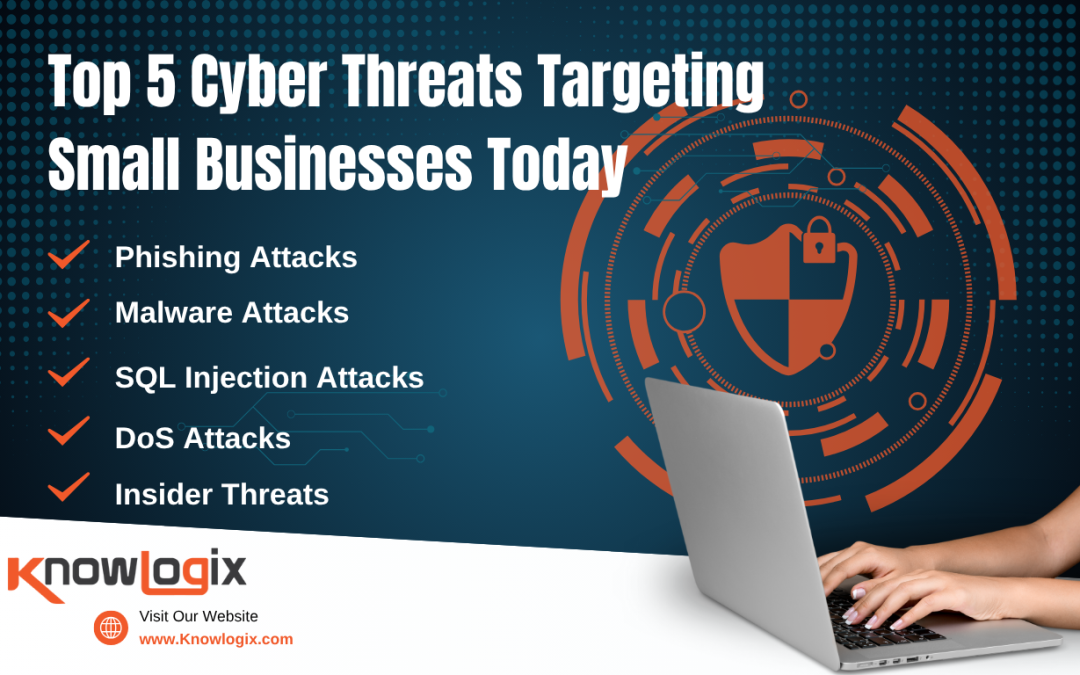
To protect your business, awareness is key. In this blog, we’ll break down the top five cyber threats small businesses are facing today, and share tips on how to defend against them.
1. Phishing Attacks: Hook, Line, and Sinker
Phishing is one of the oldest tricks in the hacker’s playbook, but it remains one of the most effective. These attacks typically arrive via email, text, or even social media, posing as legitimate communications from trusted sources like banks, suppliers, or government agencies.
The goal? To lure unsuspecting users into clicking a link that leads to a fake website, where they’re prompted to enter confidential data such as login credentials or banking information.
Protect your business by:
- Training employees to spot suspicious emails
- Enabling spam filters and link scanners
- Using multi-factor authentication to limit damage in case of compromise
2. Malware Attacks: The Digital Trojan Horse
Malware (short for malicious software) is designed to infiltrate, damage, or disable devices. Whether delivered through email attachments, infected downloads, or malicious websites, malware can give cybercriminals access to everything—from personal and financial data to complete control of your systems.
Once malware enters your network, it can spread rapidly and cause extensive damage.
Protect your business by:
- Installing reputable antivirus software on all devices
- Keeping software and operating systems up to date
- Avoiding downloads from unknown or untrusted sources
3. SQL Injection Attacks: When Your Database Becomes a Target
SQL injection is a more technical threat but a highly destructive one. Cybercriminals exploit unsecured web forms or input fields by injecting malicious code directly into your website’s database query. The result could be unauthorized data access, deletion, or full system compromise.
Protect your business by:
- Validating and sanitizing all user input
- Using parameterized queries and prepared statements
- Regularly conducting vulnerability assessments on your website
4. Denial of Service (DoS) Attacks: Digital Lockdowns
A DoS attack floods your website or server with excessive traffic, rendering it inaccessible to legitimate users. These attacks are not just annoying—they can paralyze operations and damage your brand’s reputation. In some cases, attackers demand a ransom to stop the flood of traffic.
Protect your business by:
- Setting up rate limiting and network traffic monitoring
- Using a content delivery network (CDN) to absorb spikes
- Investing in intrusion detection and prevention systems
5. Insider Threats: The Danger from Within
Not all threats come from outside. Insider threats—whether intentional or accidental—occur when current or former employees, contractors, or business partners misuse their access. These insiders might steal data, sabotage systems, or leak confidential information, sometimes without realizing the full impact of their actions.
Protect your business by:
- Implementing role-based access controls
- Monitoring employee activity for unusual behavior
- Educating staff about their cybersecurity responsibilities
6. Stay Ahead with Proactive Security
The best defense is a strong offense. Small businesses can greatly reduce risk by conducting regular security assessments and penetration testing. Simulated phishing attacks and cybersecurity training for staff can also sharpen your human firewall—the employees themselves.
Your organization’s size doesn’t matter to cybercriminals, but your awareness and preparedness do.
Looking to fortify your defenses?
Our team can help you assess your current cybersecurity posture and train your employees to recognize threats before they become costly incidents. Reach out today to learn how we can help protect your business from the digital dangers lurking just around the corner.